

Colorado Front Range | Forest Health & Homeowner FAQ
Pine beetles can threaten the trees that make Colorado mountain properties special. But finding one affected tree does not mean every nearby pine is lost. Here’s what homeowners should know about identifying beetles, protecting healthy trees, and evaluating preventative products like SPLAT Verb.

Maybe you noticed little popcorn-shaped spots of sap on a pine trunk, fine reddish dust in bark crevices, or needles beginning to turn orange. Or perhaps a neighbor just removed several infested trees, and now you’re worried about your own.
If you’re asking, “Can I save my pine tree?” the answer depends on whether the tree has already been successfully attacked. A confirmed, established mountain pine beetle infestation usually cannot be reversed. Healthy neighboring trees, however, may still benefit from proactive forest management and preventative measures.
Why this matters in Colorado right now
The Colorado State Forest Service reported 5,544 mapped acres affected by mountain pine beetles across nine Front Range counties in 2025, compared with 2,236 acres in 2024 — a 148% increase in mapped outbreak acreage. That figure describes affected mapped areas, not every tree or every acre within them. Source: Colorado State Forest Service.
1. How can I tell if my pine tree has beetles?
Mountain pine beetles (Dendroctonus ponderosae) reproduce beneath the bark of living pine trees. Their galleries and associated blue-stain fungi can disrupt the tree’s water-conducting tissues. Common warning signs include:
- Pitch tubes: Small, often popcorn-shaped accumulations of resin on the trunk that can appear cream, pink, brown, or reddish.
- Boring dust: Fine, sawdust-like material in bark crevices or at the tree’s base.
- Woodpecker activity: Freshly excavated bark or bark flakes where birds are feeding on insects.
- Crown discoloration: Yellowing or red needles that may appear months after a successful attack.
- Galleries beneath the bark: A key diagnostic feature best checked by a trained professional.

Important: A pitch tube does not automatically mean a tree is dying. A vigorous pine can sometimes repel an attempted attack with resin. Other insects, including Ips engraver beetles, can also cause symptoms that look similar. If you’re uncertain, arrange a site assessment rather than treating or removing trees based on photographs alone. Colorado State University Extension explains the diagnostic signs.
2. Can I save a pine tree that is already infested?
If mountain pine beetles have successfully mass-attacked and colonized the tree, there is no dependable curative treatment to reverse that infestation. Preventative repellents and protective sprays are not designed to rescue a tree after a successful attack.
However, a single visible pitch tube or a few dead branches are not enough to declare a tree unsalvageable. Diagnosis matters. A professional may inspect attack patterns and evidence beneath the bark before recommending removal.
Colorado State Forest Service guidance advises removing confirmed infested trees, when appropriate, before the next spring and handling the wood correctly so beetles do not emerge and attack additional trees. See state management guidance.

3. Can I protect the healthy trees next to an infested pine?
Often, yes — and acting before the next beetle flight is important. An attack on one tree should prompt closer inspection of other susceptible pines, particularly healthy, valuable trees near a home, driveway, or outdoor living area.
A practical plan generally has three parts:
- Confirm and manage infested trees. Do not leave live beetle-infested logs untreated or move them to another property.
- Improve stand resilience. Where appropriate, thin overcrowded trees, manage fresh slash, and preserve healthy, well-spaced trees.
- Consider preventative protection. A qualified professional can discuss verbenone-based products and labeled preventative insecticides for green, unattacked trees.
During major outbreaks, even healthy trees can be attacked; forest thinning is a long-term strategy, not an immediate guarantee of protection.
4. What is SPLAT Verb, and how does it work?
SPLAT Verb, made by ISCA Technologies, is a verbenone-based bark beetle repellent. Rather than killing insects already inside a tree, it releases an anti-aggregation chemical signal that can discourage approaching mountain pine beetles from settling on a susceptible host.
Think of the signal as a chemical “no vacancy” message. SPLAT Verb’s wax-like formulation is designed to release verbenone over time after it is applied in accordance with its current label.
Prevention, not a cure: SPLAT Verb should not be represented as a way to save a tree that has already been successfully colonized. The species of pine, existing beetle pressure, label directions, and treatment timing all influence whether a verbenone strategy makes sense.
For product specifications and labeling, see ISCA Technologies’ SPLAT Verb product page or the Forestry Distributing product listing. Manufacturer and retailer claims should be evaluated alongside independent research.
5. Does SPLAT Verb really work? What does the research say?
Peer-reviewed studies indicate that SPLAT Verb can reduce mountain pine beetle attacks or tree mortality in certain settings. But success is not universal, and the findings for ponderosa pine deserve special attention in Colorado.
2016 — Species differences matter
A research team led by USDA Forest Service scientist Christopher Fettig evaluated SPLAT Verb on lodgepole, ponderosa, and sugar pines. Under the study’s tested conditions, the treatment helped protect lodgepole and sugar pines, but was not effective for ponderosa pine at the tested application treatment. That finding matters because ponderosa pine is common across the Front Range. Read the 2016 study.
2020 — Some lodgepole stand treatments reduced losses
Research in Montana found reduced colonization and mortality in certain small lodgepole pine plots treated with SPLAT Verb or verbenone pouches compared with untreated plots. However, some rates did not produce statistically significant improvements in colonization, and an individual-tree experiment was not conclusive under the beetle pressure observed. Read the 2020 study.
2021 — Promising whitebark pine results
A third study comparing SPLAT Verb and verbenone pouches for whitebark pine observed higher survival in some treated groups, particularly for large trees in one Oregon comparison. Those findings do not establish guaranteed survival rates for residential ponderosa pine. Read the 2021 study.
The practical conclusion: SPLAT Verb can be one preventative tool, but a homeowner with valuable ponderosa pines should not assume a lodgepole pine research result will apply to their property. A species-specific, site-specific plan is more responsible than promoting any single product as a universal solution.
6. When should I plan beetle prevention in Colorado?
Mountain pine beetles generally fly during the summer. The Colorado State Forest Service reports that typical Front Range activity begins around July, although some sites recorded earlier emergence in 2026. Review the latest beetle flight information.
Fall and winter are ideal times to inspect, confirm infestations, plan removals, and prepare for spring protection. Any preventative product needs to be in place before the relevant flight period, according to its current label and local monitoring guidance. Do not rely on a generic calendar date for every elevation or every year.
7. Are verbenone products better than preventative insecticide sprays?
They work differently, and neither is appropriate for every property.
- SPLAT Verb and verbenone pouches: Aim to discourage beetle colonization through chemical signaling. Results can vary with host species and outbreak intensity.
- Registered preventative insecticides: Some labeled products can protect individual, green, unattacked trees when properly applied. They are generally considered for selected high-value trees rather than blanket treatment of every forest tree.
- Forestry thinning and sanitation: Improve longer-term stand conditions and address confirmed infested material, but do not substitute for an urgent protection plan where beetles are actively flying.
If hiring a company to apply pesticide treatments, confirm that it has the required Colorado pesticide applicator licensing. Always follow the current EPA-approved product label; this article does not provide application instructions or rates. Colorado State Forest Service treatment overview.
8. Will SPLAT Verb protect spruce, Douglas-fir, or every kind of evergreen?
Not necessarily. A Colorado blue spruce, Douglas-fir, and ponderosa pine are different tree species and may be attacked by different bark beetles. You should not assume a product evaluated against mountain pine beetle will protect every evergreen from every beetle.
Correct tree identification and beetle diagnosis should happen before selecting a treatment. Misidentifying an Ips infestation as mountain pine beetle, for example, can lead to ineffective management decisions.
9. If one tree is infested, should I remove every pine nearby?
No. Removing every pine is not automatically necessary or good forest management. The better approach is to evaluate the condition and value of individual trees, their spacing, the timing of any attack, and the overall forest stand.
Recently infested green trees with developing beetles may be a sanitation priority. Older, red or gray trees may already have released the beetles responsible for their death. Removal may still make sense for falling-tree hazards, access, or defensible space, but it will not capture beetles that have already flown away.

10. Can tree thinning or fire mitigation accidentally make beetle problems worse?
Improperly handled fresh pine debris can create problems, especially for Ips engraver beetles, which can breed in recently cut logs and branches. That’s why good forestry involves decisions about timing and debris management, not simply cutting trees.
For confirmed mountain pine beetle-infested wood, Jefferson County states that logs containing live beetles must not be moved until they have been debarked, solar treated, or chipped. Local rules and approved disposal options should be checked before wood is transported. Jefferson County mountain pine beetle guidance.
11. What should I do today if I suspect pine beetles?
Your six-step homeowner action checklist
- Look closely. Check trunks for pitch tubes, boring dust, woodpecker feeding, and fresh crown changes.
- Photograph the symptoms. Record when you first noticed them; capture the whole tree and close-ups.
- Confirm the diagnosis. Ask a qualified forestry professional or the Colorado State Forest Service for assistance.
- Identify infested trees. Determine which trees contain live beetles and what sanitation measures are appropriate.
- Protect the healthy stand. Review selective thinning, slash treatment, and species-appropriate preventative options.
- Plan before summer. Finish urgent sanitation and schedule any appropriate prevention ahead of the local beetle flight.
Jefferson County offers a dedicated mountain pine beetle resource page, including current local updates, landowner information, and identification guidance.
12. Does pine beetle management also help wildfire mitigation?
Pine beetle activity and wildfire exposure are connected, but not interchangeable. The fire-behavior consequences of beetle-killed trees depend on factors such as whether needles remain on the crown, how fuels accumulate, weather, terrain, and forest structure.
Selective thinning, defensible space, dead-tree hazard management, and appropriate debris handling can be parts of an integrated land-management plan. A dead tree does not automatically make a home more likely to ignite, and simply removing a beetle-killed tree does not substitute for improving the home ignition zone.
For homeowners discussing mitigation with insurers, keeping clear, dated records of completed work can also be useful. Such documentation does not guarantee premium reductions or policy renewal.
Colorado Front Range Forestry and Fire Mitigation
Protect the Trees Worth Saving.
If you’re concerned about pine beetle activity around your home, COFRFFM can help you discuss tree removal, selective thinning, forest health considerations, and wildfire mitigation needs. We serve Evergreen, Conifer, Morrison, Indian Hills, Pine, Ken Caryl, and surrounding Colorado Front Range communities.
Early identification. Thoughtful forestry. Healthier remaining trees.
Scientific Research & Homeowner Resources
For transparency, this article distinguishes independent forestry research from product marketing claims. These are direct links to the underlying sources.
- Colorado State Forest Service — 2025 Forest Health Report, Mountain Pine Beetle.
- Colorado State Forest Service — About Mountain Pine Beetles.
- Colorado State Forest Service — Management Options.
- Colorado State University Extension — Mountain Pine Beetle (peer reviewed, reviewed August 2025).
- Fettig et al. (2016). Efficacy of SPLAT Verb for protecting individual lodgepole, ponderosa, and sugar pines. Journal of the Entomological Society of British Columbia.
- Fettig et al. (2020). Evaluating doses of SPLAT Verb to protect lodgepole pine trees and stands. Crop Protection.
- Progar et al. (2021). Comparisons of two verbenone formulations for protecting whitebark pine. Journal of Economic Entomology.
- Jefferson County — Mountain Pine Beetle and Wood Movement Guidance.
- ISCA Technologies — SPLAT Verb Manufacturer Information and Product Label.
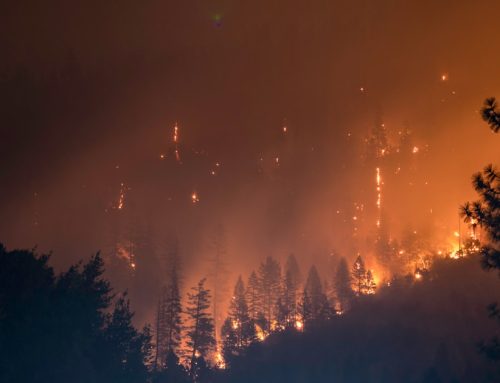
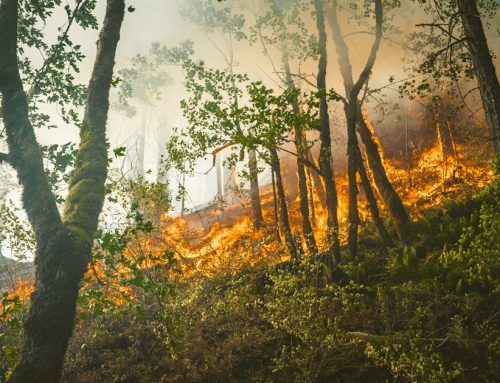
Educational disclosure: This article provides general information, not a site-specific tree diagnosis or pesticide recommendation. Product performance varies; follow the latest EPA-approved product label and applicable Colorado requirements. Contact a qualified forester or appropriately licensed applicator for recommendations involving pesticides. No treatment guarantees tree survival or an insurance outcome. The photographs above are documentary examples, not COFRFFM project photographs, and their individual authors and licenses are credited in the captions.



Leave A Comment